
In 2026, I still flinch when a live-service game asks me to verify a phone number before I can play. That reflex comes straight from Overwatch 2’s launch week in 2022, when I sat in voice chat with friends, watched the queue spin, and realized the real final boss was not a hero shooter match—it was Blizzard’s SMS Protect system. I had expected chaos. I had not expected bureaucracy.
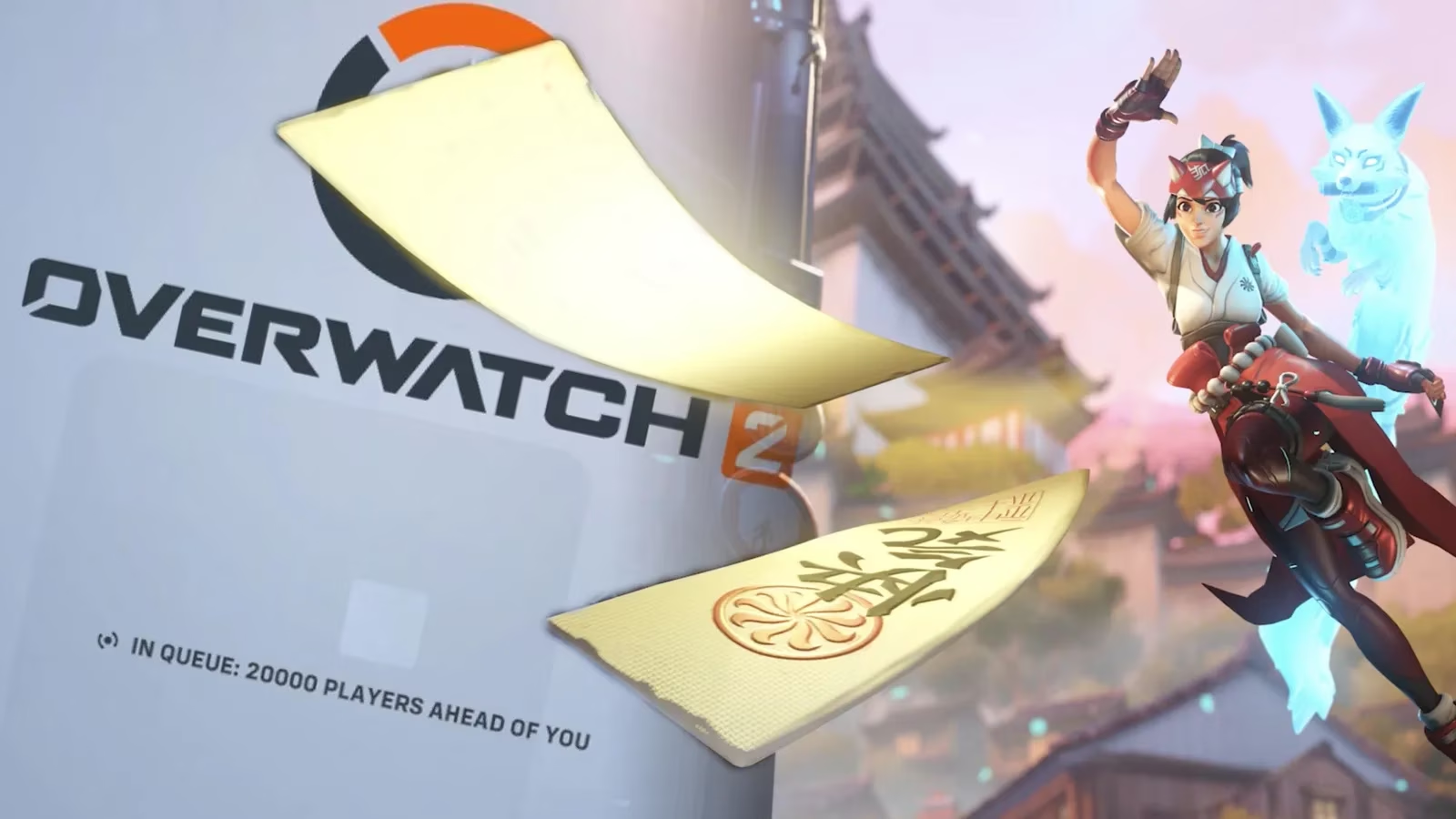
The broader Blizzard headlines were loud enough—the Xbox acquisition, the labor disputes—but on launch day, all I could see was the sign-up screen. Players were fighting to get into games. People were re-signing up, reconnecting accounts, and hitting barriers before they ever reached the payload. It felt less like a sequel launch and more like a security checkpoint with a game attached.
The barrier nobody asked for
The strangest part was SMS Protect. To play Overwatch 2, players needed a phone number attached to their Blizzard account. On paper, it was part of the Defense Matrix anti-cheat and anti-smurfing effort. In practice, it made onboarding harder and made plenty of legitimate players feel unsafe or unwelcome. I had friends who had played Overwatch for years, and suddenly their phone carrier or region was the reason they could not log in.
| Launch-week barrier | What it meant for me | How it felt |
|---|---|---|
| SMS Protect | Attach a phone number to Battle.net | Like being treated as a suspect before my first match |
| Account reconnect | Re-sign-up and reconnect old progress | Extra friction before fun |
| Queue pressure | Fight to get into games | Excitement turning into fatigue |
I remember one player’s complaint about spending $40 on a game they could not play because their MetroPCS number could not be added. Another said goodbye to roughly a quarter of the player base before launch. Those were not abstract forum grumbles. They were the sound of a live-service game tripping over its own front door. 😤
The backtrack
Blizzard eventually had to walk the requirement back for most existing players. In a forum update, the team said: “We designed Overwatch 2 to be a live service, which enables us to be responsive to a variety of player feedback.” The post explained that any Overwatch player with a connected Battle.net account—including everyone who had played since June 9, 2021—would not need to provide a phone number. The change was expected to go live on Friday, October 7.
I remember refreshing the forums like it was a patch notes day. I was covered by the exception because of my old account, but a friend who started later was not. That split was exactly the problem. A launch should not turn your friend group into a customer-support queue.
📱 The old system did not just annoy people. It locked them out. Some players reported wrong region settings, phone-number failures, and ticket response times stretching to seven days. For a free-to-play sequel meant to bring people back, that was a brutal first impression.
Why it mattered
The backtrack was good news, but it did not erase the damage. Overwatch 2’s launch was already under heavy scrutiny, and SMS Protect became the most visible symbol of a game that seemed to distrust its own audience. Anti-cheat is necessary. Account security matters. But when verification becomes a wall, players do not see safety—they see a hoop.
I still think about how quickly the conversation shifted from heroes and maps to phone carriers and account recovery. The industry loves to talk about surface-level polish, but launch friction is part of the product. If players cannot get inside, the marketing does not matter.
What I take from it in 2026
Looking back from 2026, the Overwatch 2 SMS Protect saga feels like an early warning for every live-service launch that followed. Players expect clear communication, sensible exceptions, and a fast response when something breaks. A blog post is not a fix. A promise is not a fix. The fix is letting people play.
For me, the lessons are simple:
-
🎮 Onboarding is part of the game, not paperwork around it.
-
🛡️ Anti-cheat cannot become anti-player.
-
📢 Live service means listening before launch, not only after the backlash.
-
✅ A rollback is welcome, but trust is harder to patch.
Blizzard did back down. That mattered. But I will always remember Overwatch 2’s launch as the week when the most dangerous enemy was a phone number field.