
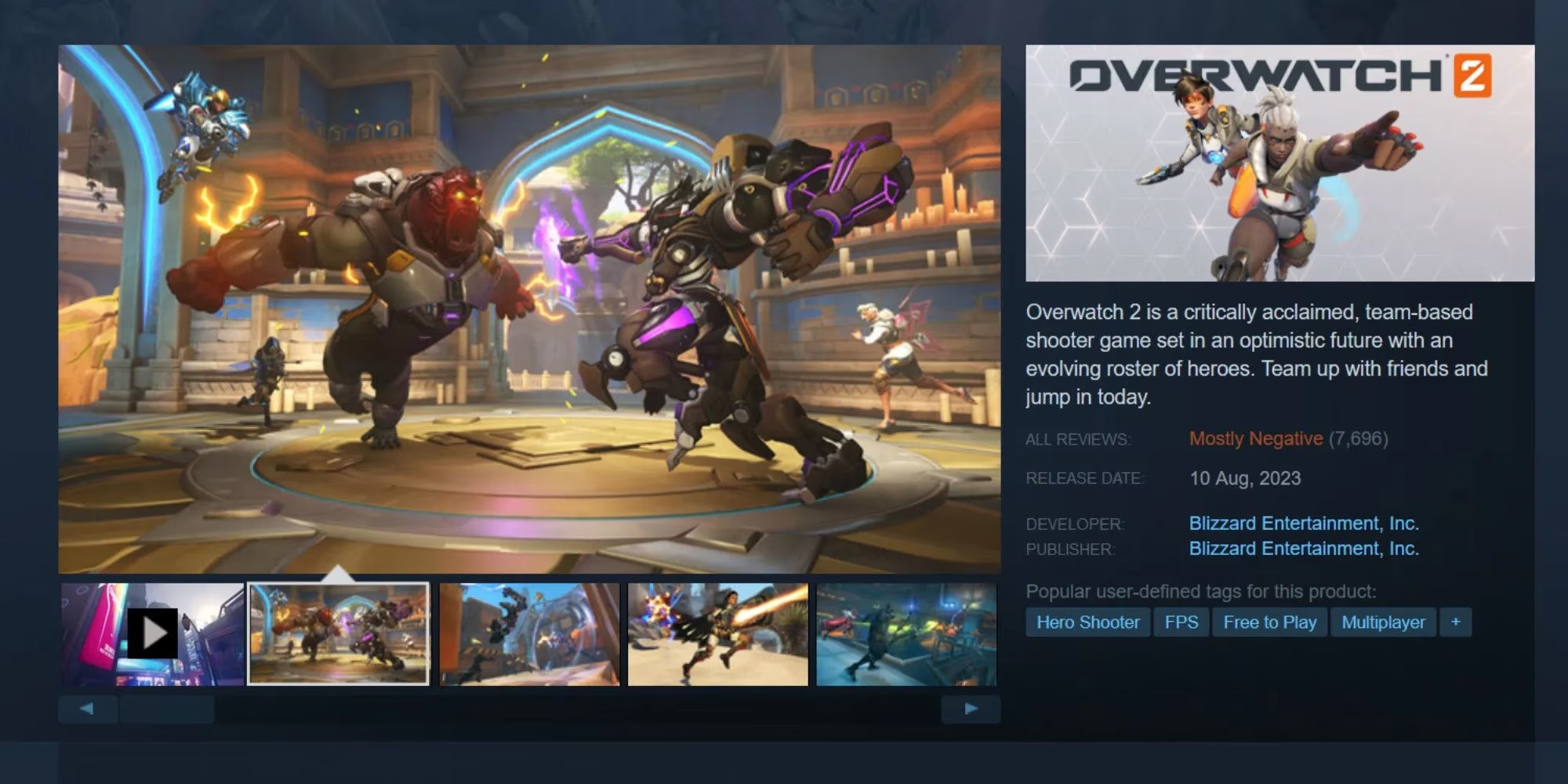
Overwatch 2 arrived on Steam in August 2023, and the reception was less a welcome party than a public roast. The hero shooter landed with a 'Mostly Negative' user review rating 📉, and within hours the review section turned into a crowded courtroom where players aired years of grievances. In 2026, that Steam page still functions as a time capsule: a reminder of how quickly goodwill can curdle when a sequel replaces a beloved original and then asks fans to keep paying.
The numbers at launch were stark. With just over 7,500 user reviews at the time, the page was already dominated by criticism aimed at both Overwatch 2 and Blizzard itself. Most complaints focused on monetisation and the dramatic scaling back of the PvE campaign in favor of standalone missions. The most popular review, marked helpful by almost 6,000 people, came from Steam user Ornge. It described the game as 'an attempt to pry open your wallet while masquerading as the game it used to be.'
Ornge called the Battle Pass system 'a joke' compared with other games, labeled locked heroes as 'pay to win,' and admitted the core game can be fun. That was the sharpest part of the critique: the problem was not that Overwatch 2 played badly. The problem was that intrusive greed had damaged something players already loved. It was a sentiment echoed across thousands of similar reviews.
A Review Section Turned Battlefield
Steam's review section, normally a place for quick recommendations, became a battlefield. Some positive reviews were ironic jokes. Others simply celebrated not having to use Blizzard's own launcher anymore. A few troublemakers promoted Team Fortress 2, leaning into the odd rivalry between the two class-based shooters. The rest was memes, NSFW jokes, and a seemingly endless supply of sarcasm. Let's be real: when a game's launch page reads like a comedy roast, the community is not just disappointed. It is fed up. 😤
| Complaint | Why players were angry |
|---|---|
| Monetisation 💸 | Battle pass, shop prices, and paid extras felt aggressive |
| PvE retreat | A promised campaign was reduced to paid standalone missions |
| Hero locks | New heroes behind battle pass were called pay-to-win |
| Launcher relief | Some positive reviews only praised escaping Battle.net |
| TF2 rivalry | Review bombs promoted Valve's shooter instead |
| Meme overflow | Serious criticism mixed with jokes and NSFW spam |
Blizzard's response did little to cool the room. The release of PvE missions priced at $15 did not ease tensions. New heroes, however useful, could not quell the anger. The developer appeared content to stay the course, and the relationship with a vocal part of the fanbase looked less like a bridge to repair and more like a wall to ignore. As long as the cash kept flowing, the company likely saw no reason to change.
The Long Shadow of a Bad Launch
By 2026, the argument has not disappeared. Live-service games live and die by trust, and trust is the one resource Blizzard cannot sell in a bundle. Overwatch 2 may still attract players, may still launch seasons, and may still produce memorable moments. But its Steam reviews remain a public ledger of resentment. They are also a warning to every publisher that replacing a beloved game with a sequel is risky business. Fans will follow a good game almost anywhere. They will not follow a wallet trap forever.
Will Overwatch 2 ever turn things around? The door is not completely closed. Games can recover, communities can forgive, and a few great updates can change a narrative. But the Steam page shows how deep the wound went. In 2026, the conversation is no longer just about one bad launch. It is about whether players believe Blizzard deserves their time, their attention, and their money. That is a tougher boss fight than any balance patch can fix. 🎮