
When Overwatch 2 arrived in October 2022 as a free-to-play replacement for the original hero shooter, much of the early conversation revolved around technical friction rather than gameplay improvements. On Metacritic, the PC version carried a user score of 1.4 from 1,343 ratings, with 1,185 of those reviews being explicitly negative. Players who attempted to log in during the first week encountered long queues, authentication hurdles, and a monetization model that quickly became the center of widespread criticism.
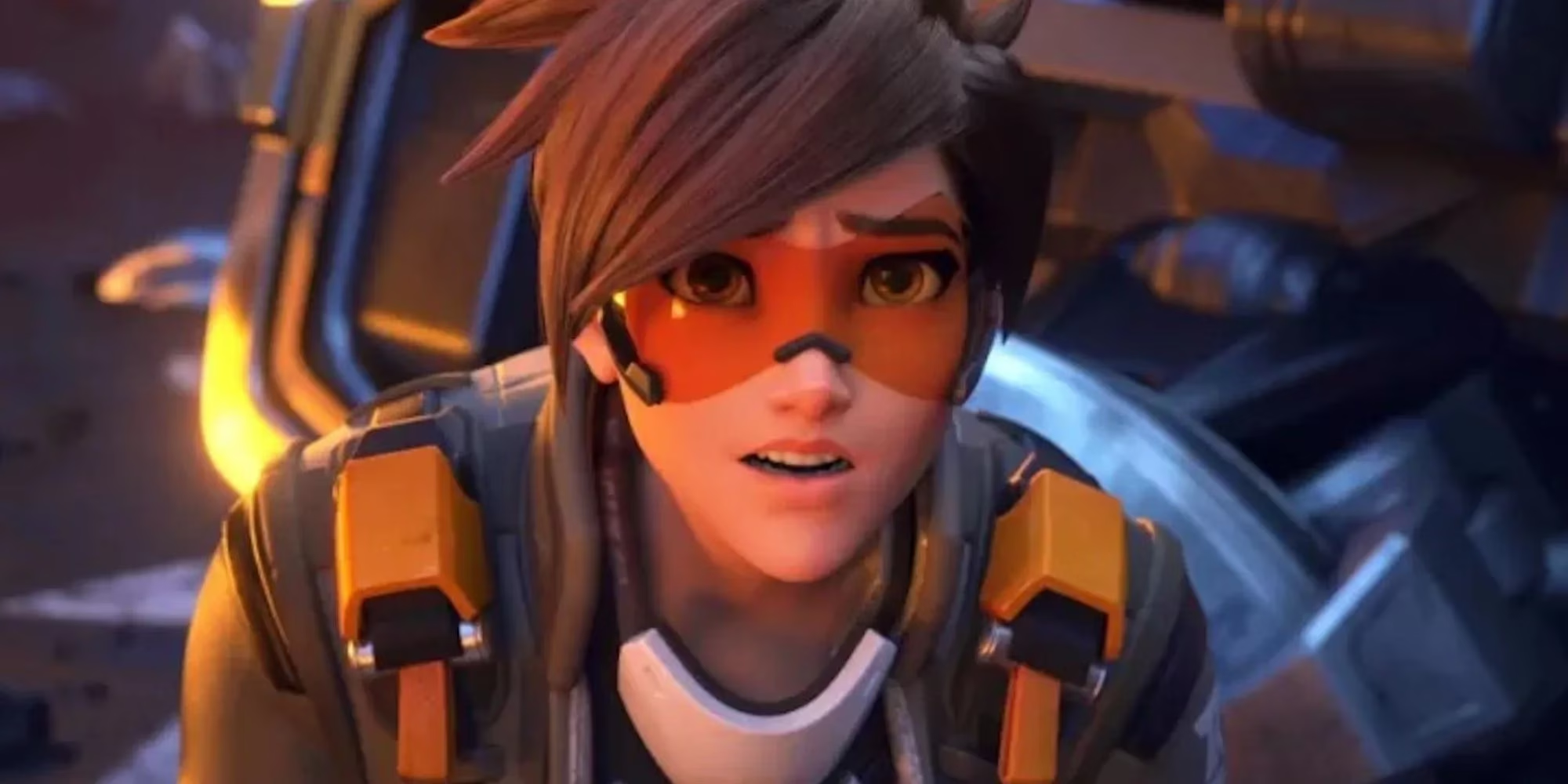
🎮 Queue Times and Early Stability
The most frequently reported problem was matchmaking capacity. Thousands of players waited in line simply to enter the game, and some users were disconnected whenever an achievement unlocked. One Metacritic reviewer, NecroV, summarized the frustration with a blunt observation:
“Super long queue because a game company did not know a big game release would need game servers to support it.”
These stability issues turned the launch into a waiting room experience, undermining the fast-paced, five-versus-five combat that Overwatch 2 was meant to deliver. Instead of discussing hero balance or map design, many early reviews focused on the inability to reach a playable match at all.
💳 Monetization and the Battle Pass Debate
Beyond server capacity, the sequel's business model attracted sustained criticism. Players described Overwatch 2 as largely the same game as the original but with new monetization layered on top. The premium battle pass, seasonal skins, and shop pricing became repeated complaints. Kiriko's Athleisure outfit, for example, required an additional $20 purchase, and that figure appeared to set a standard for many cosmetic items. Reviewers also noted that the season two battle pass could not be earned through gameplay alone, which intensified the perception that progression had been tied too closely to real-money spending.
The shutdown of the original Overwatch compounded the dissatisfaction. Because Overwatch 2 replaced the first game, some returning players reported that their legacy cosmetic items did not migrate correctly to the new client. Longtime owners questioned why the original title needed to be retired at all if the sequel was perceived as a service update rather than a fully separate product.
📵 Access Barriers and Account Verification
Another obstacle came from the SMS Protect system. Overwatch 2 required players to link a valid phone number before they could enter matches. While this was presented as a security measure, it excluded people who did not wish to share a phone number, as well as players on certain contracts or without a qualifying mobile plan. The policy turned a security feature into an accessibility barrier, adding to the list of reasons behind the negative reception.
| Complaint Area | Common Player Reaction |
|---|---|
| Server queues | Long wait times, disconnects when achievements unlocked |
| Monetization | Expensive skins and a battle pass seen as too restrictive |
| Original game shutdown | Missing cosmetics and confusion over account migration |
| Phone verification | Excluded players without eligible phone numbers |
-Cropped.jpg)
A common thread ran through many negative reviews: the feeling that Overwatch 2 had not delivered enough justification for its structural changes. Some players found the shift to five-versus-five matches engaging, but those design conversations were frequently overshadowed by complaints about server availability, missing items, and aggressive pricing. The Metacritic user score became a symbolic number of launch dysfunction, capturing not just one problem but a combination of disappointments.
The controversy also unfolded against broader concerns about Activision Blizzard. At the time, serious allegations about a toxic workplace culture had led to internal and external investigations. Those reports remained part of the public context around the publisher, and some reviewers connected their dissatisfaction with Overwatch 2 to wider criticisms of the company.
From a 2026 perspective, the Overwatch 2 launch remains a widely cited example of how infrastructure, identity verification, and monetization choices can shape first impressions in a live-service title. Even though later updates addressed many technical issues, the initial wave of player feedback illustrated how quickly user reviews can consolidate around a single low score when multiple frustrations occur at the same moment.