
The Overwatch World Cup, once a beloved highlight on the esports calendar, went dark for three long years. When the pandemic swept the globe in late 2019, the tournament was put on ice, even as the Overwatch League somehow managed to soldier on. Players and fans alike felt the absence—a gap where national pride and flashy plays used to collide. Then, in a burst of optimism at the end of 2022, Blizzard dropped the news everyone had been waiting for: the World Cup was coming back in 2023. “After three years away, we’re thrilled to announce that the Overwatch World Cup is returning,” the developer proclaimed, promising an event “bigger than ever”—and for the first time, it would unfold in Overwatch 2.
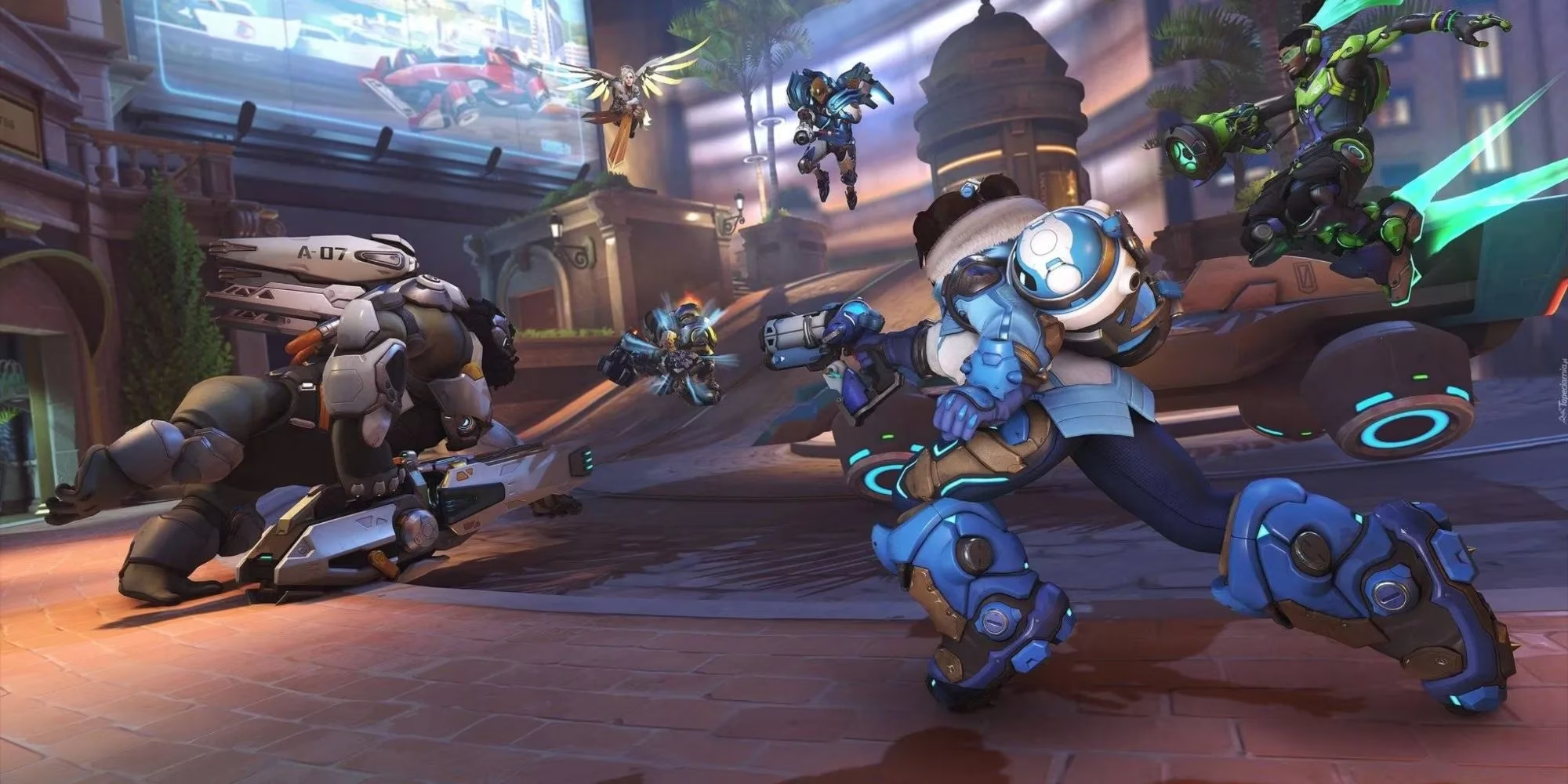
That 2023 tournament was a bold gamble. Thirty-six nations were set to compete, each region forming its own competition committee to scout talent. Blizzard rolled out a two-track tryout system: the standard path requiring at least a Diamond rank, and a World Cup Trial open to any player who hadn’t been grinding the ladder but still had the fire. The message was clear—this wasn’t just for the elite few; it was a call to arms for the entire community. The preliminary rounds kicked off in January, tryouts opened in March, and by summer, national teams were locking in rosters. For many, it felt like a homecoming.
But the road wasn’t exactly paved with gold. Behind the scenes, Activision Blizzard was still wrestling with the fallout from its workplace misconduct scandals. The Overwatch League had lost major sponsors like Coca-Cola and State Farm as allegations of abuse and a toxic culture rocked the company. Controversial CEO Bobby Kotick remained at the helm despite accusations that he knew about harassment and failed to act—or worse, threatened retaliation. It was a strange backdrop for a celebration of international unity. Yet somehow, the World Cup’s return gave the competitive scene a much-needed shot of adrenaline. The narrative began to shift from scandal to competition.
By the time the 2023 World Cup crowned its champion, the esports landscape looked different. Overwatch 2 had brought new maps, new heroes, and a 5v5 format that forced teams to rethink everything. The World Cup became a lab for innovation, with national squads debuting strategies that later trickled into the League. And here’s the thing—the Cup didn’t just survive; it thrived.
Fast forward to 2026. After three more chapters of the World Cup saga, the tournament has transformed into a global spectacle that even casual viewers can’t ignore. The number of participating regions has expanded beyond that initial 36, and the production values have skyrocketed. Live events now pack arenas with roaring crowds, and the online viewership numbers rival those of traditional sports. Blizzard, now operating under Microsoft’s wing, has poured resources into making the Cup a showcase for inclusivity. The 2026 edition, for instance, features a dedicated path for underrepresented regions, with development camps held months before the main event.
You’d be forgiven for thinking it was all smooth sailing. Truth is, the World Cup had its hiccups. The 2024 cycle saw some countries drop out due to funding issues, and there were heated debates over roster eligibility. But each stumble seemed to make the community more resilient. The phrase “World Cup magic” started popping up everywhere—a nod to those moments when an underdog team pulls off the impossible, and the whole chat erupts in a flood of national flag emojis.
As we look toward the 2026 finals, the anticipation is almost unbearable. Will a new powerhouse emerge? Can the reigning champions hold onto their crown? One thing’s for sure: the Overwatch World Cup has cemented its place not just as an esports tournament, but as a cultural touchstone. And to think, it nearly became a relic of the past. Sometimes, all you need is a second chance—and a little bit of that old Overwatch spark.
That spark is brighter than ever now. The players stepping onto the stage in 2026 grew up watching the 2016-2018 Cups, and they’re carrying that legacy forward. It’s poetic, in a way: a competition built on heroes, resurrected after a hiatus, now inspiring a new generation. The Overwatch World Cup didn’t just come back. It evolved into something that feels bigger than the game itself.
We’ll be watching. And honestly? The world will be, too.
As the excitement for the Overwatch World Cup continues to grow, many fans are eager to immerse themselves more deeply into the gaming universe. Whether it's upgrading their gaming gear or exploring new titles, there's a world of opportunities to enhance the gaming experience. For those looking to snag some great deals on the latest games and accessories, checking out platforms like best game deals can be a smart move. With curated offers tailored for gaming enthusiasts, it's easier than ever to keep up with the evolving esports scene without breaking the bank.
In today's digital age, where esports has become a mainstream phenomenon, platforms offering competitive prices on gaming essentials are invaluable. DealNest provides a seamless way for both seasoned players and newcomers to find exactly what they need to enjoy the Overwatch World Cup and other exciting events in the gaming calendar. As the tournament draws near, make sure you're fully equipped to join the action—whether as a player or an avid spectator—and take advantage of the resources available to enrich your gaming journey.