
I remember the firestorm like it was yesterday. Back in late 2022, as Call of Duty: Modern Warfare 2 was barreling toward its October 28 release, Activision Blizzard quietly updated its SMS Protect support page, and the community lost its collective mind. Players who had already been burned by Overwatch 2's phone-number requirement suddenly realized they might face the same wall with Modern Warfare 2. I was one of them—staring at an endless title screen in Overwatch 2, unable to log in because of a prepaid or SIM-only phone number. Let me tell you, the frustration was real, and it's a saga that still gets my blood boiling in 2026.
📞 What Was SMS Protect Anyway?
Blizzard introduced the system to curb cheating and smurfing, requiring a phone number for certain accounts. The big catch: prepaid mobile plans often didn't work. That might sound like a minor annoyance, but for plenty of players—especially younger folks, folks on a budget, or people in regions where prepaid plans are the norm—it was a brick wall. I'd argue it was a classic case of throwing the baby out with the bathwater.
🎮 Modern Warfare 2 Enters the Fray
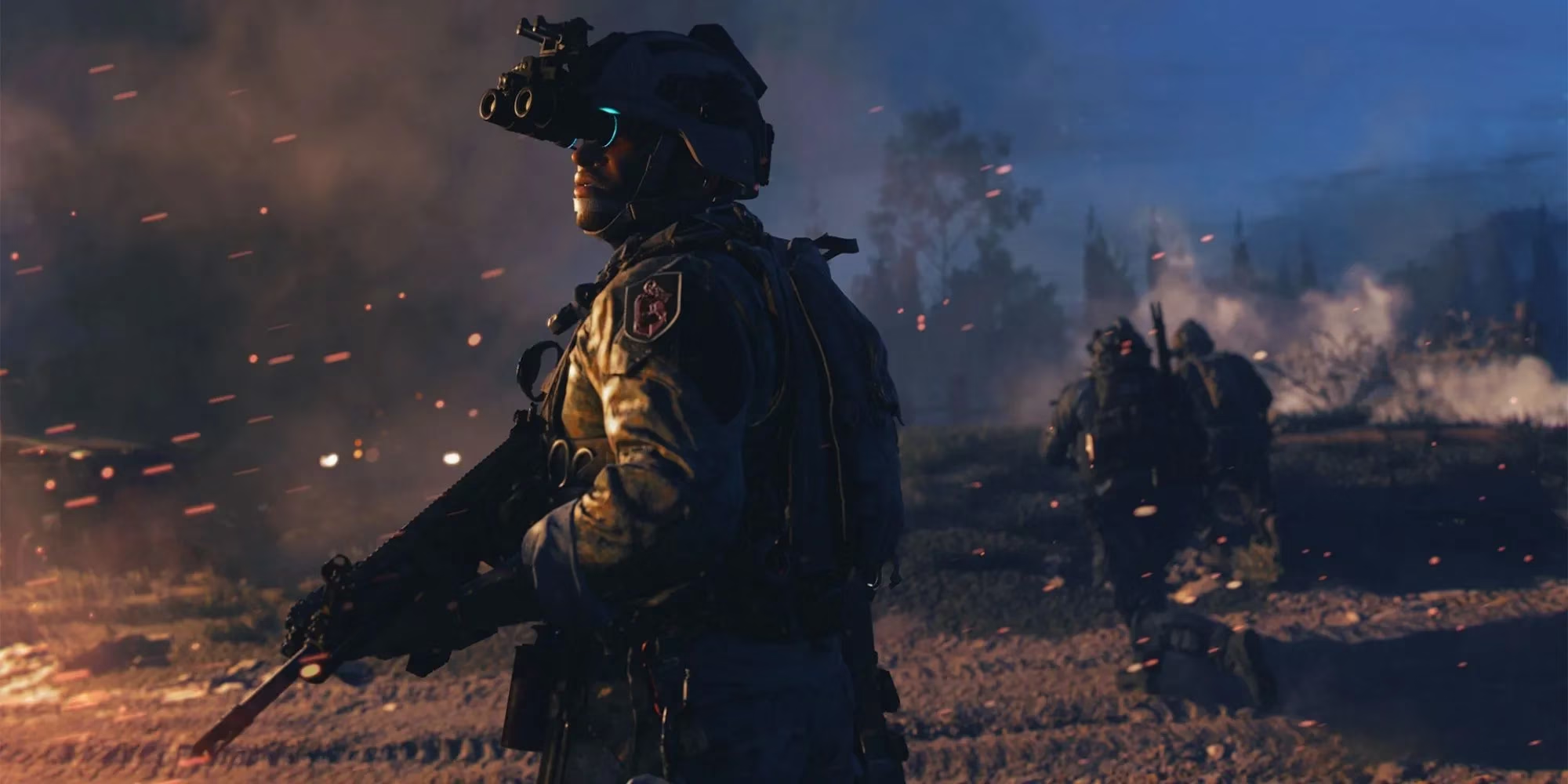
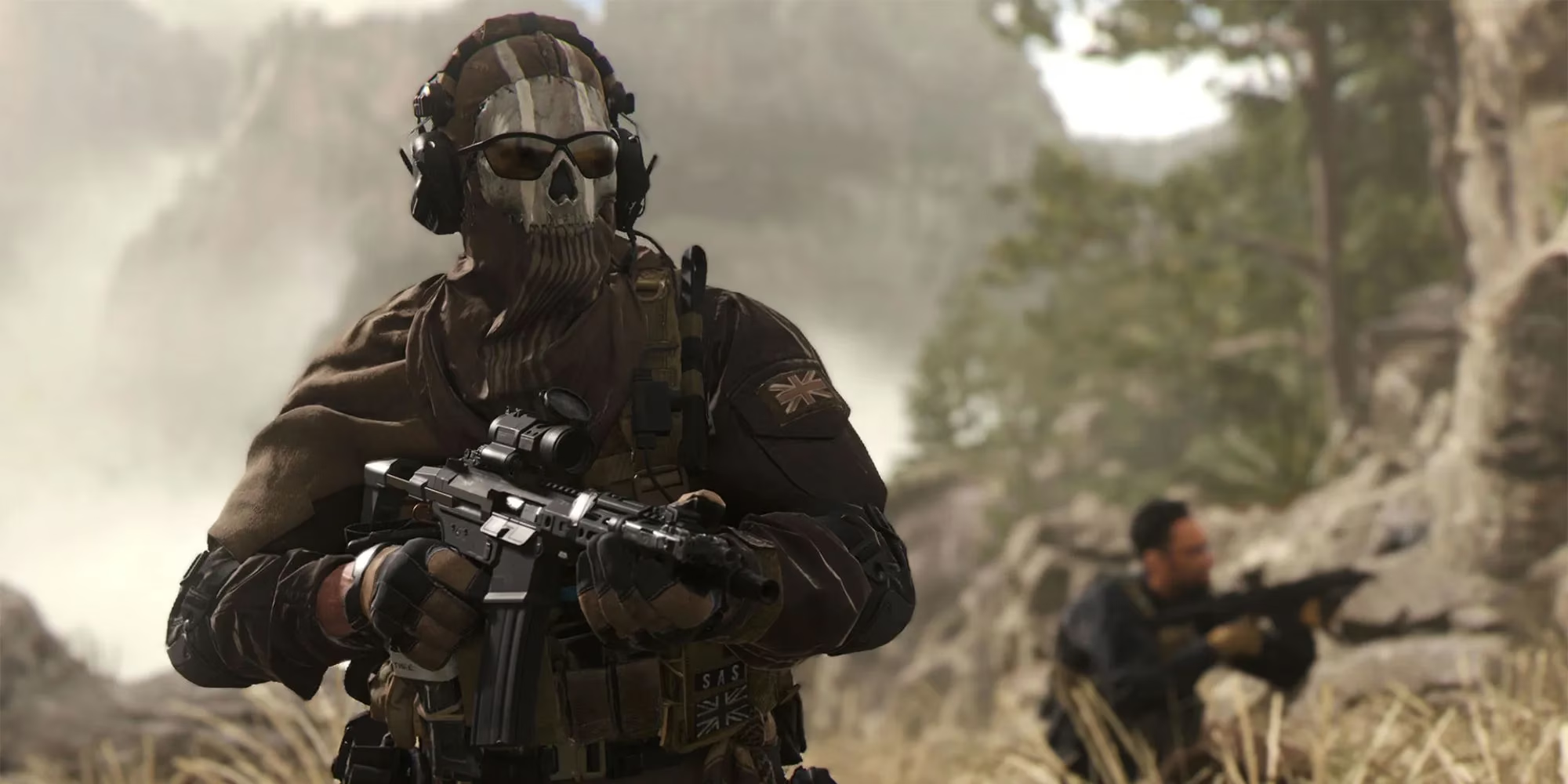
Then came the bombshell. VGC noticed that the SMS Protect page now included Modern Warfare 2. The exact wording was: 'Call of Duty: Modern Warfare 2, newly created Overwatch 2 accounts, and newly created Call of Duty: Modern Warfare accounts require a phone number. Mobile phones with prepaid plans may not work with the phone notification service.' That sentence felt like a gut punch. It suggested that all MW2 players, not just new ones, would need to pony up a non-prepaid number. For a franchise as massive as Call of Duty, that was a huge deal.
🤔 But Hold Up—Was It a Mistake?
Here's where things got murky. Overwatch 2 had already walked back its policy so that only new accounts needed a phone number. So was the MW2 wording a mistake? Maybe. But even if the requirement only hit new players, returning players like me still hit snags. I couldn't log into Overwatch without a number, and to this day I'm not sure whether it was because my number used to be on a prepaid plan or because my SIM-only deal fell through the cracks. Either way, my advice back then was the same as now: keep a buddy's number on standby if you're in a pinch.
Let's break down the potential fallout with a quick comparison table:
| Game | Phone Requirement | Prepaid Allowed? | Status at Launch |
|---|---|---|---|
| Overwatch 2 (later new accounts only) | Yes for new accounts | No | Softened after backlash |
| Modern Warfare 2 | Seemingly all players | No | Unclear, clumsy rollout |
💥 Why Did This Blow Up So Hard?
Because a phone number requirement sounds simple, but it's not. Prepaid plans are cheaper and more common than some executives seem to think. In many parts of the world, a contract phone is a luxury. Locking a full-price game behind that kind of gate felt like a slap in the face, especially after fans had already shelled out for the game. The timing didn't help either—releasing during a cost-of-living crunch made the move feel tone-deaf.
🔍 The Lasting Lessons in 2026
Fast forward to 2026, and while Modern Warfare 2 has had its ups and downs, the SMS Protect controversy remains a cautionary tale. The industry has largely moved toward more user-friendly verification, but the core tension—security vs. accessibility—hasn't gone anywhere. I still hear players grumbling about phone verification for new accounts, battlenet logins, and anti-cheat measures. It's a reminder that even giant publishers can fumble the ball when they roll out policies without thinking through real-world consequences.
Honestly, the whole affair was a mess from top to bottom. Blizzard stayed mum about MW2's requirement until sleuths spotted the updated support page. That lack of communication only made players angrier. If Activision Blizzard had just come out and said, 'Hey, here's exactly who needs a number and why,' a lot of the drama could have been avoided. Instead, we got radio silence and then a half-baked rollout that left people locked out on launch day. That's not how you treat a loyal fanbase.
Looking back, I can't help but shake my head. The SMS Protect saga for Overwatch 2 and Modern Warfare 2 taught us that player trust is fragile. When you're asking people to cough up personal info, you'd better have a darn good reason and a clear policy. Otherwise, you'll end up on the wrong side of a very loud Reddit thread. Here's hoping the next time a publisher tries something like this, they remember the backlash—and maybe think twice.