
I still remember the moment Overwatch became more than just a game to me. Back in 2016, I was drifting away from gaming, but that cinematic trailer with the punch kid grabbed my soul and pulled me back in. I played the closed beta on a demo laptop at a local electronics store and immediately knew this would be something special. That one download led to reconnecting with my college roommate, making new friends across the globe, and eventually building a career writing about games. Overwatch was my nightly ritual for nearly two years – thousands of hours spent laughing, competing, and opening loot boxes with friends who felt like family. When Overwatch 2 was announced at BlizzCon 2019, I stood in the crowd confused but hopeful. Fast forward to 2026, and that hope has long been replaced by a bitter sense of betrayal. The free-to-play pivot that came with the "sequel" didn't just change how I play; it slowly strangled the very soul of what made Overwatch feel magical.
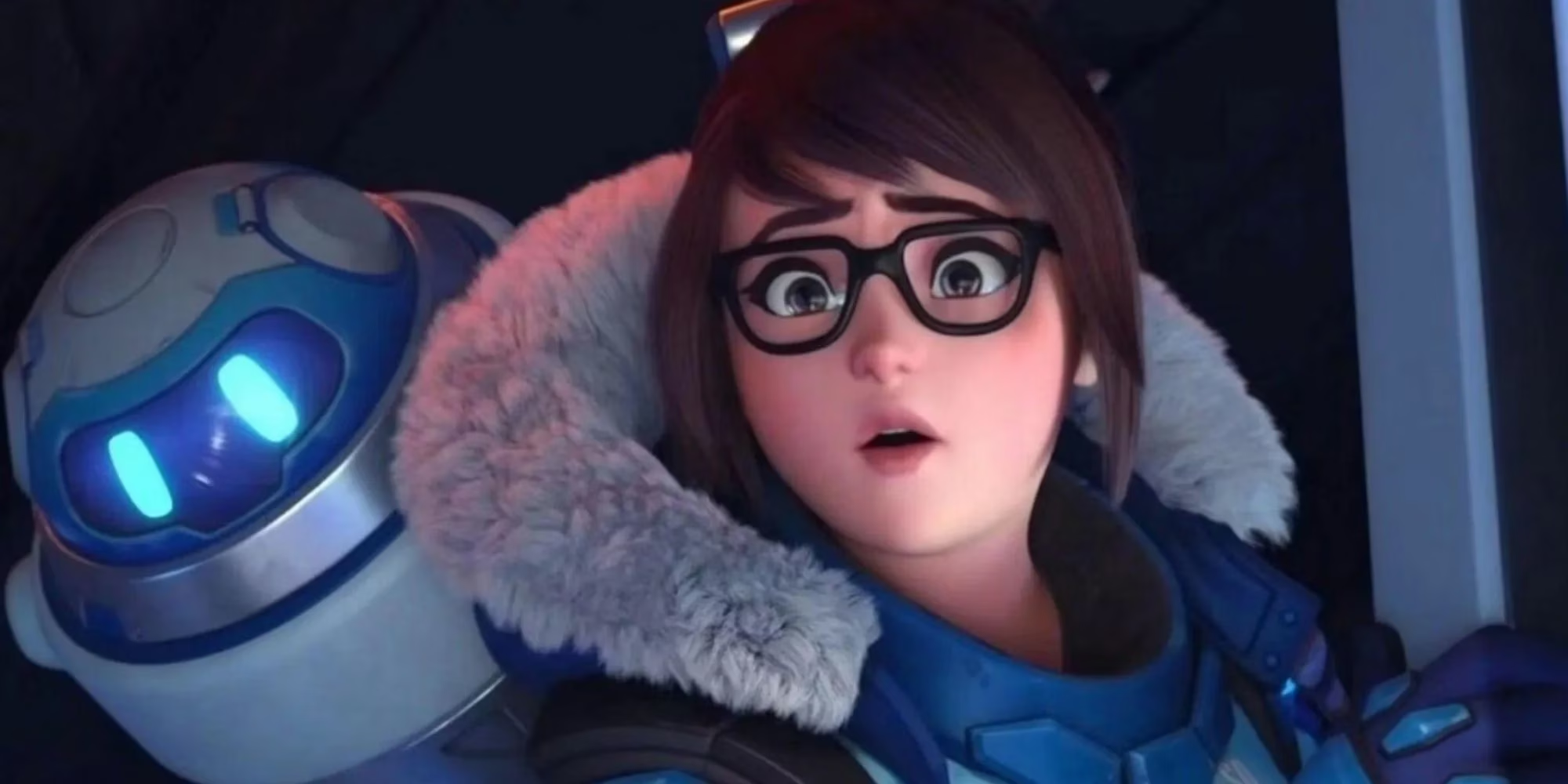
Let’s be honest about what Overwatch 2 truly is – it was never a genuine sequel. When I tried the co-op demo in 2019, nobody could clearly explain why a full sequel was necessary when all maps, heroes, and cosmetics carried over. Now, years later, the answer is painfully obvious: Blizzard needed a vehicle to swap a one-time purchase model for an endless revenue stream. The gameplay adjustments – 5v5 combat, reworked heroes, new modes – are genuinely enjoyable, but they are window dressing. The massive structural change was always the marketplace. Overnight, a game I had bought was deleted and replaced by a free-to-play client that constantly asks for my wallet. Progress feels hollow, rewards come in microscopic doses, and every match ends with the battle pass screen reminding me what I’m missing out on.
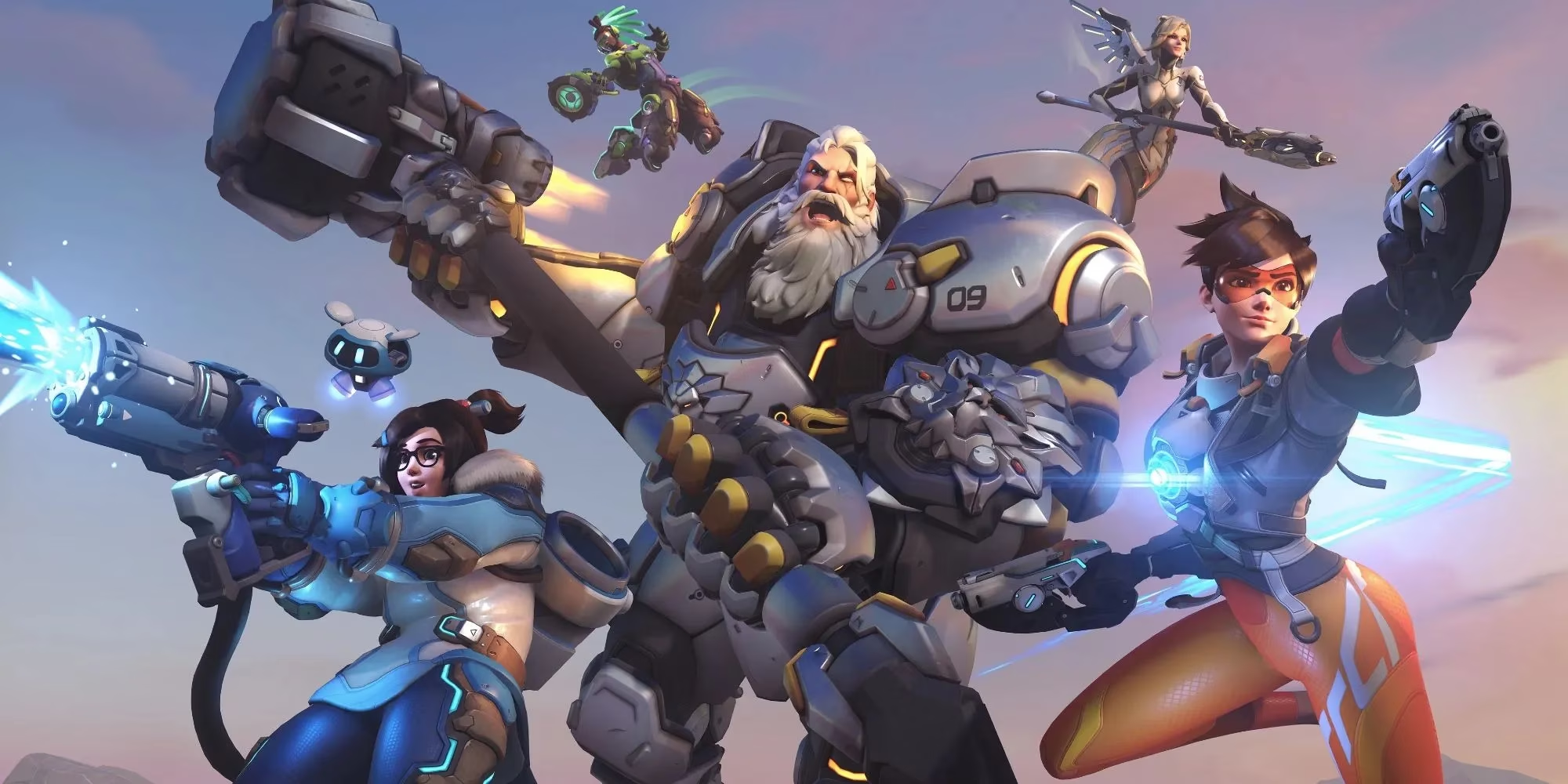
Back in the original Overwatch, my group of friends would end every session the same way: we’d gather around a shared screen, pop the loot boxes we’d earned through play, and cheer whenever a legendary skin burst out. Yes, people argued about loot boxes being gambling-adjacent, but the flow of free cosmetics felt generous. Seasonal events always left us with multiple skins, highlight intros, and voice lines without spending a dime. Occasionally I’d drop $20 on some boxes just to add sparkle to the grind, and it felt like a choice, not a pressure. That economy is gone now. The free track of Overwatch 2’s battle pass offers scraps, and even the paid track delivers far less cosmetic variety per hour than the old system. Weekly challenges reward a miserly handful of credits; saving enough to buy a single legendary skin from the gallery can take literal months. Meanwhile, the store proudly displays bundles costing upwards of $20 per skin – skins that used to be unlockable through regular play.
By 2026, the situation hasn’t improved – in some ways it’s worse. Over the past few years, Blizzard introduced Mythic skins locked behind premium battle pass tiers, limited-time shop exclusives that prey on FOMO, and a bewildering array of currencies that make the economy intentionally confusing. I’ve tried to come back. A few times a year, I redownload the game, hoping the fun core gameplay will drown out the monetization noise. It doesn’t. Ten minutes into the menu, I see the battle pass progress bar barely moving, my friends list permanently gray, and the shop rotating another batch of overpriced cosmetics, and I just close the launcher. The magic is gone, replaced by a feeling of being a mark in a digital casino designed to frustrate me into spending.
I wish I could separate the memories from the current product. Overwatch 2 remains mechanically fun – the new hero Kiriko (now years old) and the later additions like Space Ranger attempted to keep things fresh, but the constant churn of paywalled cosmetics and stingy rewards turns every login into a cynical transaction. My old crew has scattered; most of them quit for the same reasons. We talk occasionally about the glory days, but none of us can stomach supporting a game that so blatantly treats its community like a piggy bank. The sequel I dreamed of would have expanded the world of Overwatch with a meaningful narrative and a living loot system that respected players’ time. Instead, I got a storefront wearing the skin of my favorite game.
It’s heartbreaking to watch a title that meant so much to me become a textbook example of corporate greed. I’m not naive – video games are businesses – but Overwatch built something rare: a passionate community that felt valued. Overwatch 2 burned that goodwill for short-term monetization targets. Even now, in 2026, I don’t see real repentance from Blizzard; the battle pass design still prioritizes whales over players, and the overall sense of progression remains gutted. I’m not angry anymore, just profoundly disappointed. I’ll keep my memories of 2016 Overwatch safe, but I’ve finally accepted that Overwatch 2 is not a sequel I can love. It’s a cautionary tale of how free-to-play can poison even the brightest legacies. 😢💔
The following analysis references GamesIndustry.biz to frame why Overwatch 2’s free-to-play pivot can feel like a “betrayal” in 2026: across the broader industry, live-service design increasingly ties player retention to recurring monetization beats (battle passes, rotating shops, and time-limited bundles), which can erode the older sense of earned progression described in the blog—turning cosmetics from celebratory rewards into revenue targets and making “logging in” feel more like responding to a sales cadence than returning to a communal hobby.